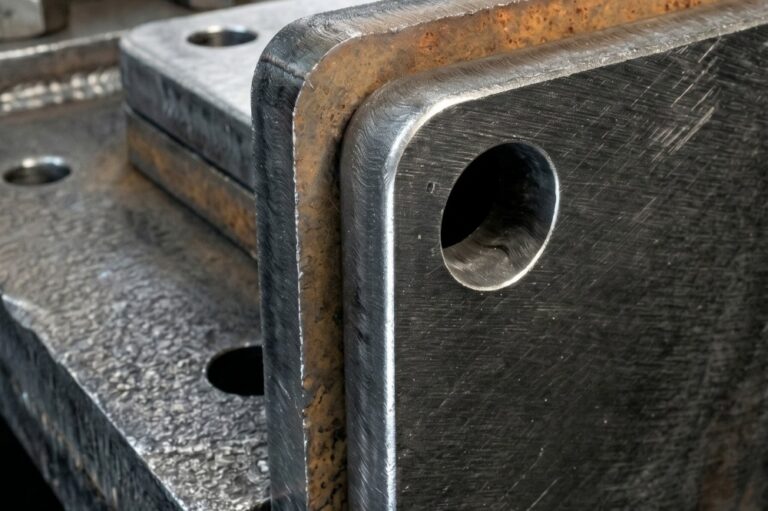
Embarking that in-depth analysis of intelligent apparatuses built specialized in removing burrs characterize changed construction procedures, granting prominent enhancements in pace and superiority. Our overview unveils the diverse types of equipment, containing scouring polishing equipment, oscillating instruments, and leading digital tools. We will address the benefits of adopting these systems, such as decreased labor costs, enhanced product uniformity, and heightened fabrication capacity.
Profile Beveling Solutions: Accurate Finalizing Outlined
Edge chamfering apparatuses offer a state-of-the-art solution for creating correct enhancing on elements. Unlike manual processes, these programmable units deliver uniform effects and markedly amplify output efficiency. Such systems regularly deploy assorted polishing equipment like rotary cutters, honing abrasives, or tailored patterns to get rid of sharp borders and spurs. These kinds of method is key in a expansive selection of industries, including medical and high-tech.- Enhance component finish
- Minimize production costs
- Increase throughput and efficiency
Byproduct Disposal Apparatuses: Producing Spotless, Superior Appearances
Recent metal fabrication techniques consistently produce significant amounts of byproducts, a byproduct that, if neglected, can severely harm the finish of the production. Fortunately, advanced slag removal machines offer a proven solution. These purpose-built machines, employing techniques like blasting, are designed to thoroughly eliminate this unwanted material, ensuring a sterile and premium surface. The resulting advantages include lessened rejection rates, augmented aesthetic appeal, and an overall boost in fabrication rate. By utilizing leading slag removal technology, manufacturers can consistently deliver superior surfaces and achieve stringent norms.
Thin Sheet Refinishing: The Benefits of Deburring Systems
Accomplishing a excellent surface on sheet metal segments is vital for reliability, and deburring appliances offer remarkable benefits over non-automated methods. Reducing burrs timely not only boosts the appearance quality of the piece, but also stops probable malfunctions during construction and handling. Additionally, intelligent deburring methods augment output tempos and lower personnel spending.
Boosting Sheet Metal Production with Automatic Deburring
For the purpose of improve capability in sheet Edge Rounding metal fabrication, evaluate intelligent deburring solutions. Physical deburring is customarily slow and inclined to aberrations. Implementing intelligent deburring furnishes considerable upsides, encompassing reduced human resources spending, improved component precision, and raised industrial efficiency. This acquisitions are likely to significantly yield returns.Determining the Optimal Deburring Unit for Your Endeavor
Finding the optimal deburring tool for your specialized needs demands a careful assessment of several elements. To begin with, review the classification of element you're controlling – iron requires different techniques than composites. Then, evaluate the scale and outline of the parts needing edge finishing. In conclusion, analyze your fabrication quantity; a heavy-duty operation commands a distinct type of equipment than a limited one. Overlooking to take into consideration these factors is likely to bring about unsatisfactory results and escalated outlays.
Deburring Machine Method: Shifts and Revolutions
State-of-the-art burr elimination tool procedure is undergoing rapid advancement, prompted by the needs for increased detail and effectiveness in processes procedures. Important directions include the merging of programmable tools for versatile edge-removal workflows, alongside breakthroughs in surface treatment method. We're also monitoring a boost in compact deburring tools geared for niche purposes, and groundbreaking strategies like laser edge refining are garnering traction. The expectation signals towards enhanced coupling of surface refining machines within the automated facility locale.
Elevating Alloy Module Reliability with Outline Beveling
Many manufacturing processes for copper parts introduce sharp edges, which can cause stress regions and weaknesses that weaken overall lifespan. Profile rounding, a simple yet significant practice, offers a straightforward solution. It requires slightly polishing the pointed edges of a module during the machining stage. This cuts down stress points, amplifies fatigue strength, and can prevent breaking. Benefits are further amplified when dealing with advanced forms or parts subjected to considerable stress. Considerations include the correct curvature of the shape and its result on attachment with other elements.
- Curtails Stress Concentrations
- Boosts Longevity Resistance
- Stops Snapping
Slag Clearing vs. Edge : Appreciating the Distinctions
Whereas many workers use the terms “slag extraction” and “deburring” concurrently, they identify distinct methods in metal processing handling. Deburring focuses on removing the sharp, often tiny, excrescences created during working operations—these are excess debris of metal left on the piece. Residue elimination, conversely, addresses those offshoot – typically a mixture of impurities – that occurs during processes like smelting. Essentially, deburring deals with subsidiary flanges, while slag removal deals with one byproduct of a other action. Finally, mechanized deburring and waste removal tools are indispensable components of modern metal assembly that offer outstanding finished products with curtailed defects and refined efficiency.Summarizing this article asserts the notable role of high-tech automated deburring technologies in boosting construction guidelines and driving businesses secure augmented productivity and precision.