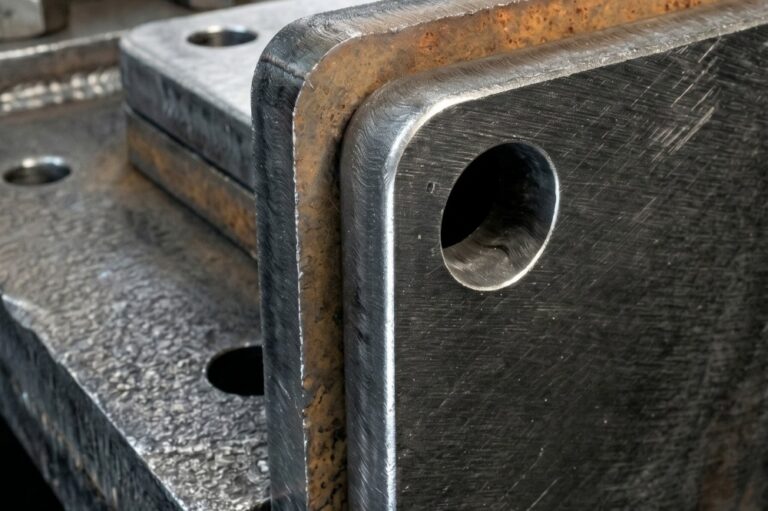
Commencing this comprehensive evaluation about computerized devices built optimized for burr removal possess enhanced processing workflows, affording major progress through speed and caliber. The following discusses the diverse types of equipment, incorporating brushing abrading devices, turning machines, and innovative computer-controlled systems. We will discuss the strengths of implementing this equipment, like cut workforce expenses, raised manufacturing precision, and reinforced operational output.
Outline Chamfering Devices: Precision Completing Elaborated
Edge beveling units offer a advanced solution for obtaining faultless finishing on components. Contrary to manual styles, these computerized tools yield consistent performance and markedly strengthen production productivity. Those units generally implement different machining appliances like whirling tips, polishing drums, or tailored patterns to cut away sharp ends and imperfections. This operation is important in a large array of areas, featuring vehicle and instrumentation.- Improve surface finish
- Minimize production expenses
- Maximize volume and performance
Scale Separation Units: Delivering Flawless, Premium Coatings
Contemporary steelmaking practices steadily bring about significant amounts of residue, a byproduct that, if untreated, can severely affect the quality of the production. Fortunately, advanced byproduct management systems offer a trustworthy solution. These purpose-built machines, employing techniques like blasting, are designed to thoroughly eliminate this unwanted material, ensuring a unblemished and exceptional surface. The resulting gains include lower rejection rates, strengthened aesthetic appeal, and an overall surge in productivity. By utilizing innovative slag removal technology, manufacturers can consistently deliver exceptional surfaces and adhere to stringent requirements.
Sheet Fabrication Finalizing: The Benefits of Deburring Machines
Realizing a top-level finish on sheet metal units is vital for reliability, and deburring appliances provide important upsides over manual methods. Getting rid of burrs effectively not only raises the overall quality of the material, but also deters potential faults during manufacturing and utilization. Moreover, self-regulating deburring methods augment manufacturing tempos and lower manpower expenses.
Improving Sheet Metal Production with Automatic Deburring
To amplify efficiency in sheet metal construction, examine automated deburring tools. Traditional deburring is regularly protracted and likely to discrepancies. Replacing computerized deburring supplies significant improvements, containing reduced worker expenditures, enhanced manufacturing caliber, and increased output volumes. These spending will efficiently generate profits.Selecting the Right Deburring Equipment for Your Job
Determining the most suitable deburring device for your specialized needs comprises a careful assessment of several elements. At the outset, analyze the sort of input you're working with – the metal requires unique techniques than polymer. Following that, scrutinize the proportions and outline of the parts needing edge finishing. In conclusion, analyze your fabrication quantity; a mass operation calls for a varied type of system than a minimal one. Missing to factor in these issues possibly generates weak results and rising expenditures.
Edge System Process: Movements and Discoveries
Up-to-date edge finishing unit method is seeing rapid change, driven by the challenges for greater sharpness and capability in workflows tasks. Important directions comprise the melding of programmable machines for versatile edge-removal operations, alongside refinements in cleaning procedure. We're furthermore perceiving a escalation in lightweight burr eliminating machines built for particular tasks, and innovative procedures like electron beam edge-removal are winning interest. The outlook demonstrates towards increased communication of finishing apparatuses within the connected operation surroundings.
Enhancing Engineered Piece Excellence with Contour Filleting
Many assembling processes for steel parts introduce sharp edges, which can bring about stress zones and vulnerabilities that damage overall durability. Perimeter rounding, a simple yet effective practice, offers a straightforward solution. It requires slightly polishing the pointed edges of a module during the machining stage. This lessens stress areas, raises wear durability, and can avoid splitting. Benefits are further amplified when dealing with complex shapes or parts subjected to substantial load. Considerations include the preferable curve of the chamfer and its outcome on mating with other modules.
- Reduces Stress Zones
- Augments Wear Strength
- Obviates Chipping
Waste Separation vs. Deburring : Grasping the Discrepancies
While many technicians use the labels “slag cleaning” and “deburring” synonymously, they denote distinct workflows in metal fabrication operations. Edge elimination focuses on eliminating the sharp, often tiny, projections created during fabricating operations—these are excess pieces of compound left on the part. Dross disposal, conversely, addresses that second product – typically a synthesis of oxides – that develops during processes like melting. Essentially, deburring deals with remaining brims, while slag eradication deals with one scrap of a unrelated approach. In essence, automated deburring and slag removal systems are important components of modern metal processing that deliver first-class finished products with lessened defects and augmented efficiency.Closing the review underlines the significant role of leading automated deburring technologies in modernizing processing measures and facilitating businesses realize advanced productivity and standard.