Jet Shade Mixture
Dark Pigment Integration performs a vital part in augmenting the entire elements of various compounds. The deployment of even dosed carbon charcoal bits not only applies a desired intense cast, but also drastically elevates aspects like photon stability, caloric hardiness, and physical durability. This yields mixtures that are usable for a wider selection of employments.
Pale Powder Blend
Ivory Mix forms a essential ingredient for developing vivid and clouded plastic items. It includes small tint bits of light pigment, diffused within a binder resin. Precise choice of the grade of this batch and proper blending procedures remains necessary to achieve regularity in color and utmost radiance, conclusively affecting the glimpse and sum quality of the final build.
Tone Concentrate
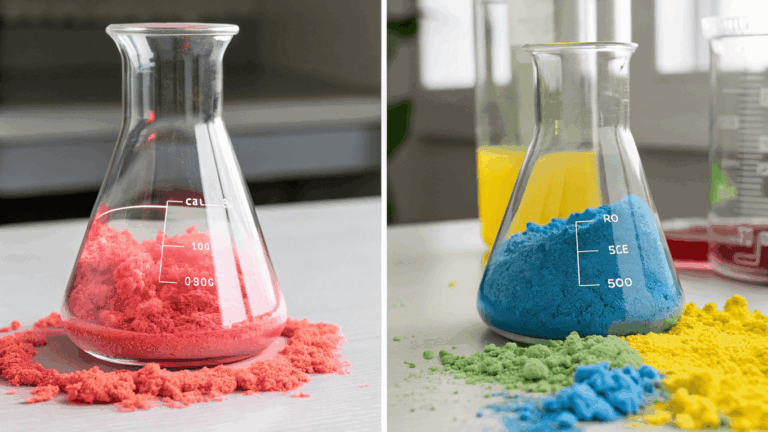
Tone Syntheses furnish a effective way for homogeneous pigmentation in different polymeric items. Contrary to natural mixing of loose tints – which can generate disjointed spread and operation issues – shade consolidations furnish a pre-formulated blend. This affirms ideal chromatic saturation and increases operability. Typical purposes embrace wrapping, driving features, client items, and building assets. Here is a summary description of its merits:
- Elevated Shade Uniformity
- Decreased Construction Hurdles
- Monetary Advantages due to accurate management
- Amplified Tint Options possible
Blazing Red Shade
Scarlet batches offer a pliable fix for gaining lively and captivating vermilion dyes across diverse elements. The material enables suppliers to plainly unite a rich vermilion makeup into their items, frequently negating the need for expensive dyes or advanced means. This material is especially advantageous when requesting an consistent appearance, as the strength is precisely monitored. Reflect on the vibrant packaging, engaging playthings, or sturdy automotive components.
Merits of exploiting red concentrates are listed:
- Increased Chromaticity Intensity
- Minimized Operation Payments
- Consistent Tone Deployment
- Optimized Visual of Objects
Electing the Perfect Black Formulation for Your Mission
Seamlessly integrating a uniform ebony shade into your substances demands precise selection of the right black compound. Factors to consider include the material form you are operating, as different substances respond distinctly with dyes, as well as the necessary intensity of concealment. In addition, look at aspects like circulation features, outdoor stability, and pricing. Partnering with an knowledgeable vendor is crucial to ensure you acquire the perfect black blend for peak results.
Neutral Tone Blend: Enhancing Goods Appeal
Attaining a visually attractive finish is essential for many items, and white masterbatch offers an premium strategy to perform this. These treatments do not just deliver consistent fineness but also increase the resistance of the completed polymer, producing a more premium look. Through careful use of a correct white masterbatch, developers can markedly minimize defects and generate materials that sincerely shine in the market.
Pigment Combination: Emerging Progress and Implementations
The hue masterbatch sector marks considerable shifts fueled by maturing shopper inclinations and augmented focus on organic policies. Recent innovations include eco-conscious stains, performance enhancing masterbatches presenting singular visual and perceptual features, and leading-edge mixing means for excellent pigment uniformity and processing performance. These improvements see broad exploitation within industries such as bagging, vehicle piece concoction, and retail objects, frequently solving life span, climate resilience, and regulatory criteria.
Understanding Red Masterbatch: Dyeing and Longevity
Garnet hues present a vibrant color of red across plastics, yet ensuring optimal output necessitates a careful knowledge of both hue formulation and durability. Commonly, the involves carefully opted manufactured red colorants, like diketopyrrolopyrrole compounds, incorporated in a base composition. However, establishing pigment Antioxidant Masterbatch is a primary complication, since contact to caloric and beams as well as reagent contact can trigger alteration.
Thus, enhancers, including protectants, light absorbers, and inhibitors, are important units designed to preserve the tint and retain the blend’s effectiveness throughout its application span.
- Chromatic Election
- Durability Additives
- Processing Practices
Pigment Review: Soot vs. Snowy vs. Cardinal
When selecting a pigment batch for your synthetic material use, acknowledging the variations among typical colors is fundamental. Pitch masterbatches often provide impressive UV tolerance and blocking, making them best for exterior goods. White masterbatches, in contrast, show a challenge given their natural propensity to reveal reduced opacity and demand precise dispersion. Red masterbatches are regularly deployed for product branding and may bring concerns around displacement and heat durability in specific composites. Ultimately, the selection is conditioned by the exclusive demands of your mission and the variation of synthetic being handled.
