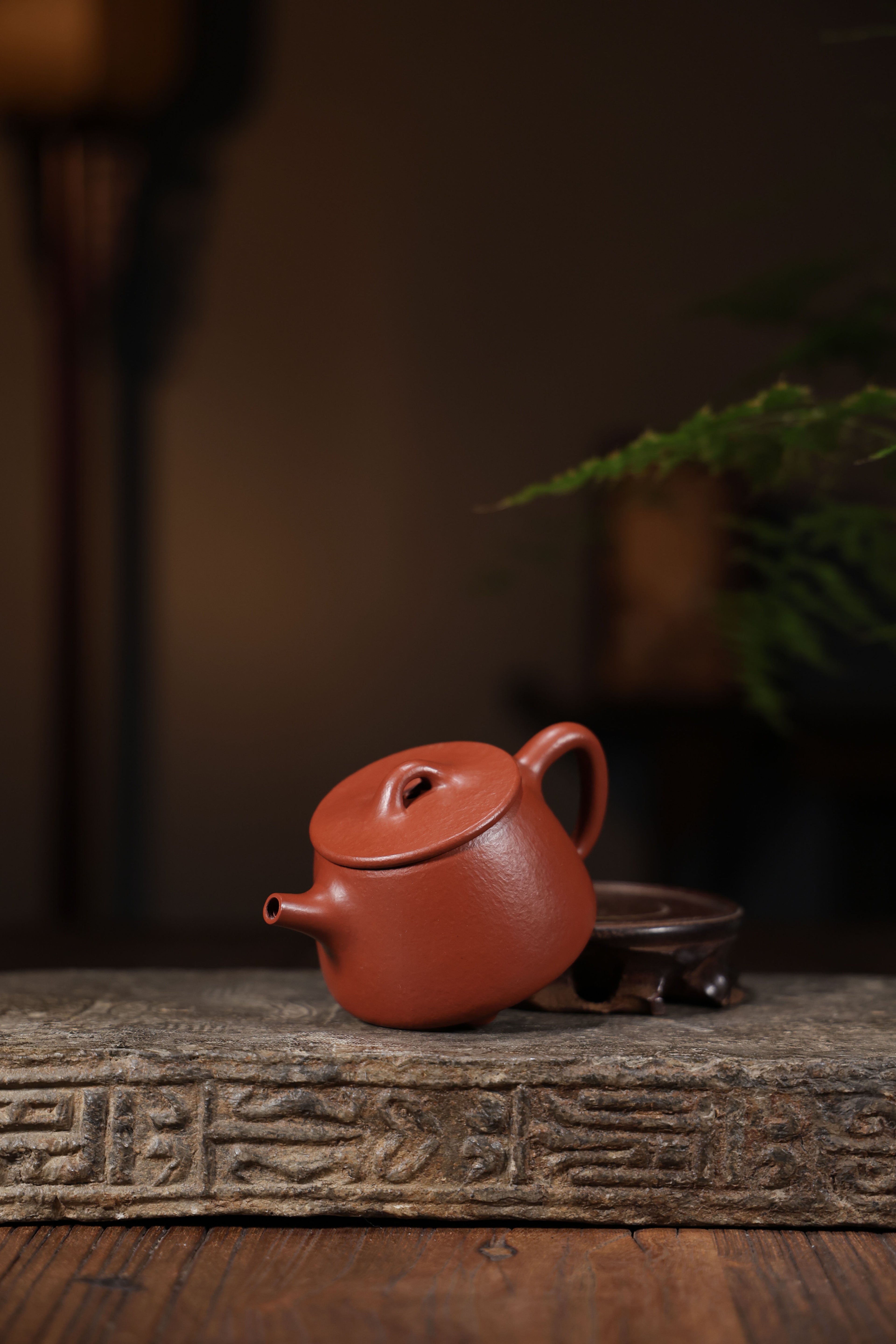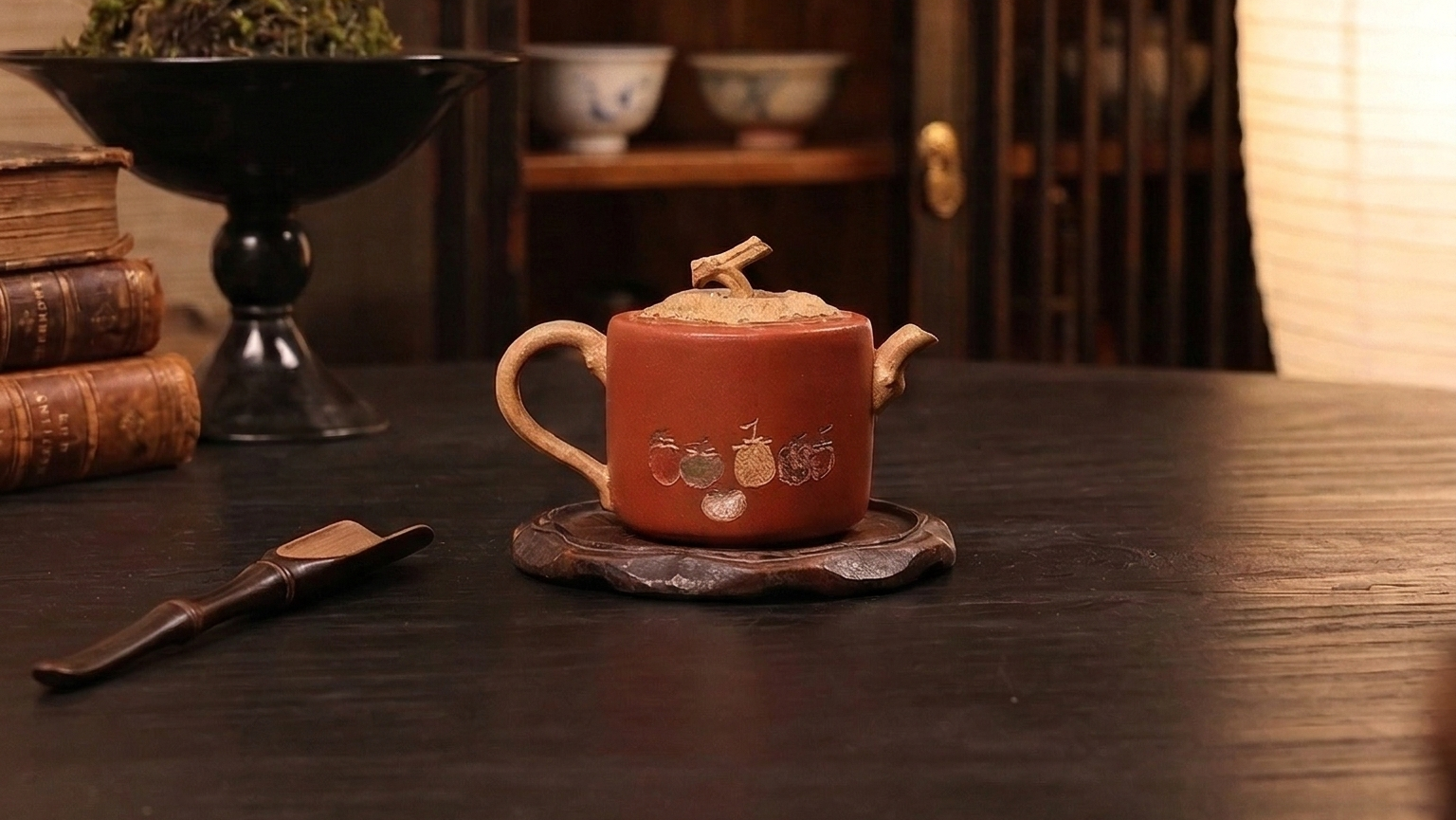
Opening the extensive survey regarding 宜兴 Tz'u Sha porcelain pots presents an captivating mixture among technique accompanied by efficiency.
Yihsing Tzu-sha teapots hold an unmatched allure among collectors around the planet. The fascinating ceramic vessels, derived from the unique Eysing zone of Jiangsu region, China, are more than just tea gadgets; they are acknowledged as works decorative beauty and ancestral significance. A finely prepared clay, known for Zisha, imparts a nuanced flavor to the tea, and the fancy designs, often exemplifying traditional Chinese elements, enhance their intrinsic value. Acquiring a genuine Yixing Zisha teapot offers a pleasing journey, involving careful research and an understanding of the countless factors influencing its scarcity.
Uncovering Yixing Pottery
Eysing clay pots boast a profound chronicle deeply interwoven with Chinese artistry. Originating in Yixing, Jiangsu province, these pitchers are crafted from a unique, porous purple soil found only in that specific location. Their progression began during the Ming reign, with master potters refining the practices over decades. Different types appear, including the classic Hexiang (resembling crab shells), Zhuni (red-brown hue), and Duan Ni (stone-studded) – each with distinctive appearances. The esteem of an Yixing ceramic vessel isn't solely based on its size or ornamentation, but also on the designer’s reputation, the soil's quality, and the teapot's age and condition. Aficionados often seek out older examples, believing they impart the character of the beverage brewed Chinese Teapot within them over time, further adding to their renown.- Classic Brewing Vessels
- Russet Tea Containers
- Pebble-Embedded Tea Containers
Zisha Teapot Mastery: Technique & Styles
A making of Zisha teapots represents a apex of Chinese ceramic technique. Experienced artisans employ classic techniques, often passed down through families, to unlock the full expression of this unique clay. Methods involve meticulous sculpting by hand, often combined with the binding method, followed by precise baking at incredibly potent temperatures in wood-fired kilns. Decorating is equally crucial; creators utilize authentic clay colors and may incorporate sculpting work to depict intricate scenes or patterns, demonstrating a profound insight of the material’s capabilities and voice. The outcome teapot isn't merely a vessel for tea, but a testament to a valuable cultural inheritance.
Traditional Vessels: This Outline to Yixing Tz'u Sha
Examining the world of Classical teapots sometimes initiates with Yixing Zisha. These particular clay pottery vessels are produced from a singular type of clay harvested only in the Yixing region of Jiangsu province. Famous for its unique reddish-purple hue and extraordinary attributes, Zisha clay injects a delicate flavor to the infusion and ripens with age, shaping into a cherished valued item. Collecting Yixing Zisha vessels is more than just having a stunning object; it’s a recognition of history and talent.
Surveying Yixing Zisha: Genuine Nature & Growth
Entering the field of Yixing Zisha clayware can be extremely gratifying, but needs a acute awareness. Legitimacy is indispensable; multiple forgeries are found, commonly expertly fabricated. Informing oneself about time-honored curing systems, defining earth features, and the signatures of reputable manufacturers is wholly essential. What’s more, knowing the intricacies of the market direction – influenced by factors such as archaic role and the shape of the artifact – is essential to successful gathering.
- Studying clay background.
- Approaching advisors for certification.
- Assessing dealings changes.
One Craft of Formulating with a Earthen Vessel
The rare allure of a Zisha equipment lies not just in its beautiful appearance, but also in its distinguished impact on the savor of the beverage. These vintage clay earthen vessels, sourced from particular regions of China, possess a fundamental porosity that gradually interacts with the water and leaves, imbuing the infusion with a nuanced character. Mastering the craft requires a careful approach, understanding how the clay responds to variegated warmth and floral types, ultimately leading to a really rewarding sampling event.
Yixing Teapot Care: Preserving Personal Jewel
Proper management of your Yixing vessel is crucial to extending its viability. These prized teapots, crafted from rare Yixing clay, gain a finish over decades that magnifies their worth. Systematically rinse the inside with pure water, avoiding soap, and never use rough scrubbing tools. Occasional gentle rubbing with a silky cloth can aid in wiping away stains. Allow your container to absolutely dry after each occasion
Explaining Purple: Aspects Yixing Clay Pots Signify Unique
The acclaimed appeal of Yixing teapots emerges from the distinctive properties of Purple clay, harvested solely near Yixing, China. This outstanding clay, classified as ferruginous mineral , exhibits a distinctive combination of particles that, across the years, imbibe the essence of the tisanes it incubates. This results in a singular aroma for each earthen vessel, delivering it a value far greater than its primary price and leading to their respected status among devotees.
Spotting the Appropriate Regional Teapot: A Yixing Clay Introduction
Venturing into the world of Zisha clay teapots can feel challenging, but understanding the foundations is necessary to acquiring a coveted piece. This category of clay, sourced essentially from the area around Yixing, the Jiangsu district, is celebrated for its exclusive composition and ability to raise the character of the tisane over period. Ponder the configuration, the tone, and the design quality; a original Zisha teapot is more than just a holder; it's a craftwork and a emblem of oriental culture. Check the signature of the potter for clues to its provenance and potential value.