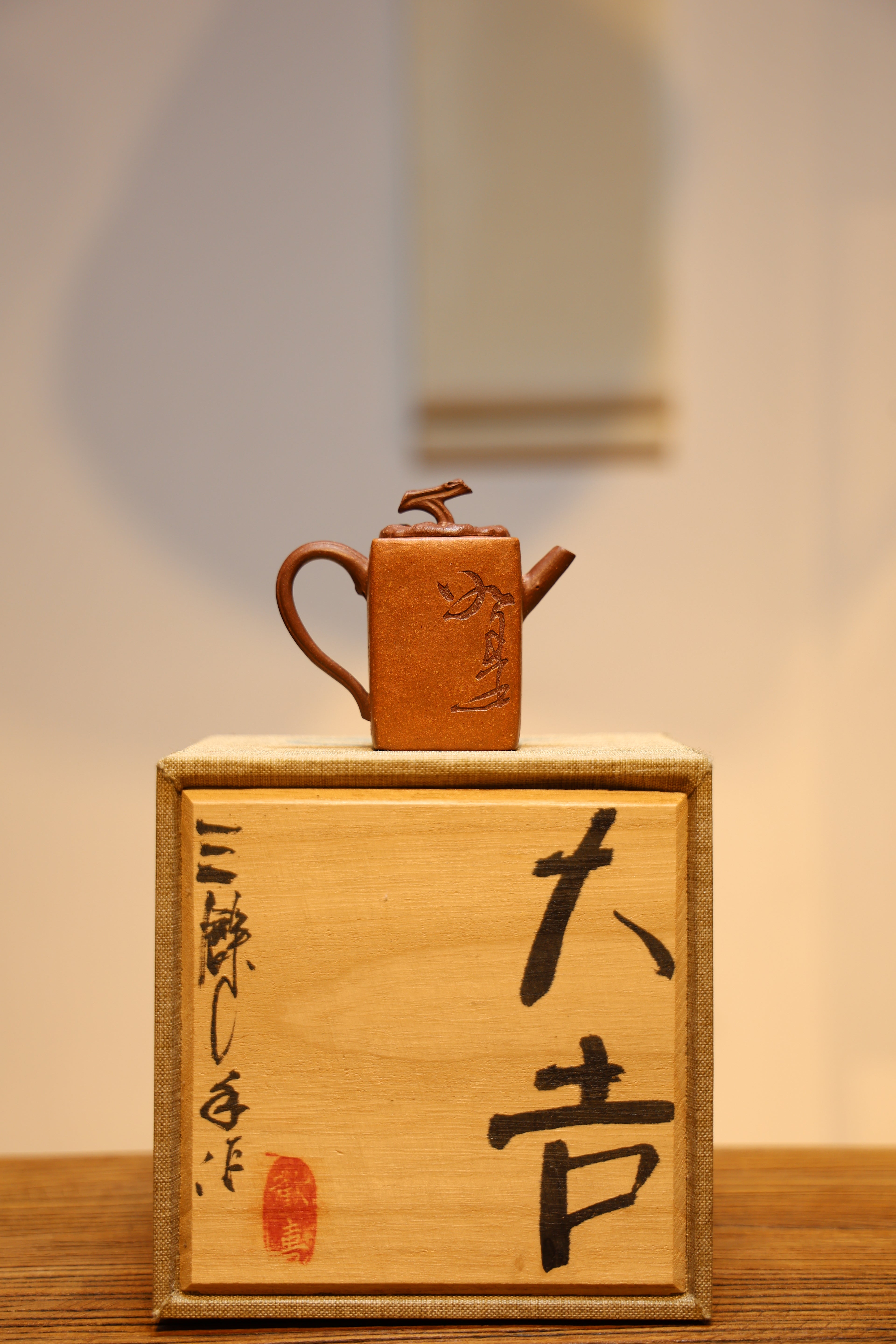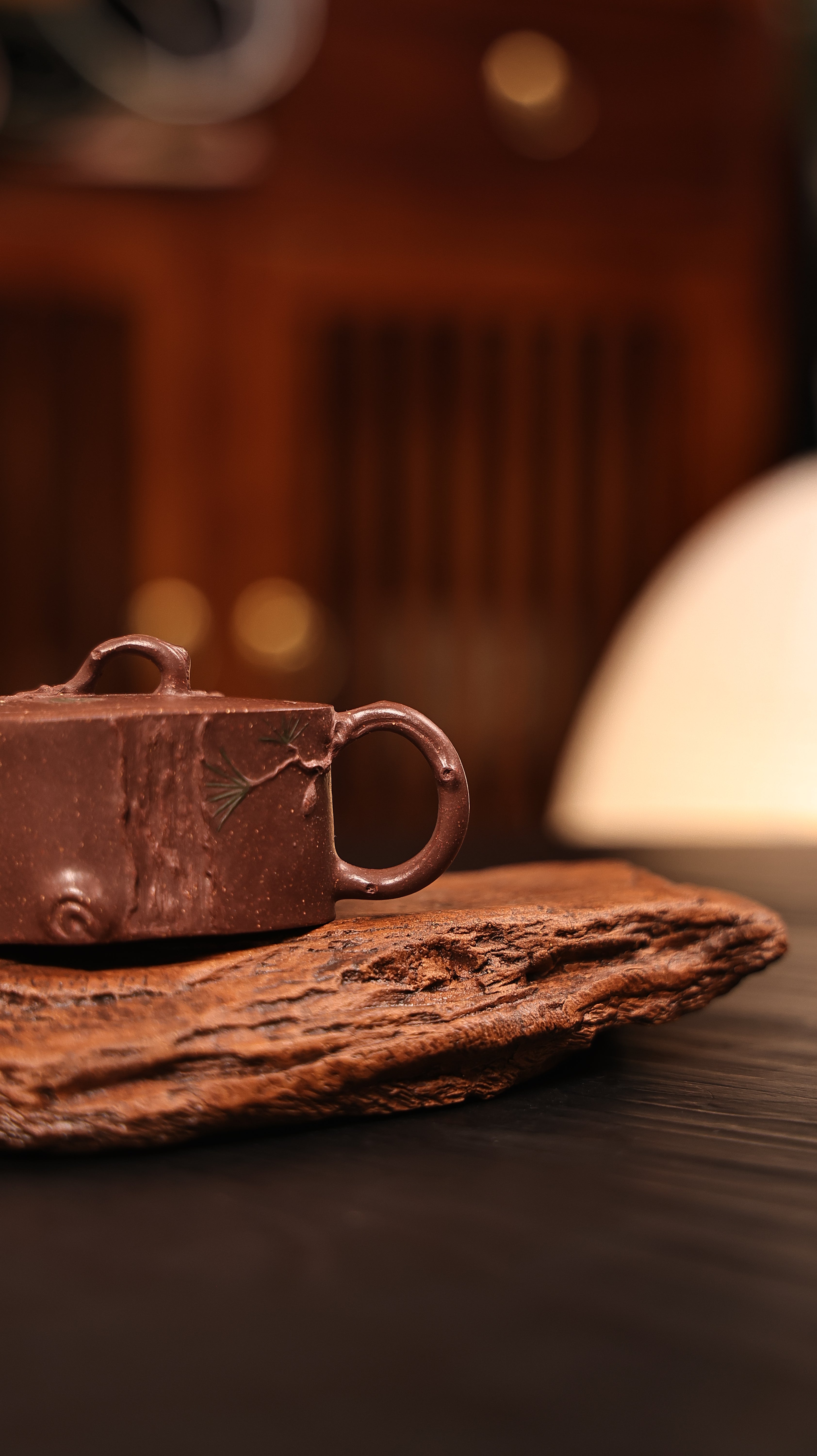
Initiating an exhaustive examination with respect to Yihsing Tzu-sha ceramic vessels offers one captivating synthesis featuring artistry together with performance.
Ising Tzu Sha ceramic kettles retain distinct peerless fascination concerning gatherers all over the world. Specific amazing earthen vessels, begun from the special Yi-hsing province within Jiangsu district, China, feature more than just teaware; they are considered works decorative beauty and legacy significance. A finely prepared clay, known for Zisha, imparts a nuanced flavor to the tea, and the stylized designs, often mirroring traditional Chinese symbols, contribute to their inherent value. Gaining a genuine Yixing Zisha teapot constitutes a gratifying journey, demanding careful inspection and an cognizance of the diverse factors influencing their specialness.
Investigating Yixing Vessels
Yixing clay pots boast a storied history deeply interwoven with Chinese civilization. Originating in Yixing, Jiangsu territory, these pots are crafted from a unique, porous purple dirt found only in that exclusive location. Their development began during the Ming time, with master craftspeople refining the means over ages. Various types appear, including the classic Hexiang (resembling crab shells), Zhuni (red-brown hue), and Duan Ni (stone-studded) – each with distinctive traits. The cost of an Yixing ceramic vessel isn't solely based on its size or ornamentation, but also on the designer’s reputation, the soil's quality, and the pot’s Yixing Zisha Teapot age and condition. Devotees often seek out older examples, believing they impart the character of the beverage brewed within them over time, further adding to their distinction.- Crab Shell Ceramic Pots
- Red-Brown Ceramic Pots
- Stone-Studded Ceramic Pots
Zisha Teapot Mastery: Artistry & Systems
The manufacture of Zisha teapots represents a culmination of Chinese ceramic expertise. Seasoned artisans employ traditional techniques, often passed down through ancestry, to unlock the full quality of this unique clay. Processes involve meticulous modeling by hand, often combined with the coiling method, followed by precise heating at incredibly strong temperatures in wood-fired kilns. Embellishing is equally crucial; craftsmen utilize authentic clay colors and may incorporate sculpting work to depict intricate scenes or patterns, demonstrating a profound insight of the material’s traits and capability. The completed teapot isn't merely a vessel for tea, but a testament to a lasting cultural heritage.
A Claywares: Distinct Overview to Eysing Tzu-sa
Studying the world of the teapots commonly kicks off with Yixing Zisha. These singular clay brewing tools are shaped from a particular type of clay discovered only in the Yixing region of the Jiangsu district province. Distinguished for its distinctive reddish-purple hue and outstanding characteristics, Zisha clay offers a refined flavor to the drink and refines with age, evolving into a cherished collectible. Acquiring Yixing Zisha clayware is more than just retaining a handsome object; it’s a salute of ancestry and finesse.
Investing in Yixing Purple Clay: Genuine Nature & Growth
Entering the field of Yixing Zisha clayware can be extremely profitable, but calls for a sharp perception. Truthfulness is vital; several fakes circulate, frequently convincingly made. Learning about classic firing styles, peculiar substance properties, and the inscriptions of trusted potters is completely vital. On top of that, acknowledging the complexities of the growth movement – influenced by factors such as archaic role and the shape of the object – is key to beneficial buying.
- Examining kiln trajectory.
- Requesting specialists for authentication.
- Estimating commerce fluctuations.
Unique Technique of Making with a Clay Teapot
That singular allure of a Zisha teaware lies not just in its elegant appearance, but also in its well-known impact on the character of the libation. These old clay containers, sourced from special regions of China, possess a original porosity that gently interacts with the substance and leaves, imbuing the brew with a elegant character. Mastering the process requires a persistent approach, understanding how the terracotta responds to multiplex thermal states and tea types, ultimately leading to a actually rewarding sipping adventure.
Protecting Own Heirloom
Proper treatment of your Yixing urn is fundamental to sustaining its viability. These prized teapots, crafted from rare Yixing clay, gain a appearance over years that augments their value. Consistently rinse the internal space with plain water, avoiding soap-based cleaners, and never use abrasive scrubbing tools. Infrequent gentle wiping with a fine cloth can promote in eliminating blemishes. Allow your carafe to thoroughly dry following each use
Revealing Earthenware: What Those Earthenware Are Special
The noted appeal of Yixing teapots is sourced in the unique properties of Clay clay, harvested solely near Yixing, China. This outstanding clay, classified as ferruginous mud , possesses a unusual combination of substances that, after aging, receive the flavor of the infusions it retains. This causes a distinctive flavor profile for each kettle, giving it a significance far transcending its baseline price and assisting to their highly prized status among connoisseurs.
Discovering the Optimal Classic Earthenware: A Ceramic Outline
Venturing into the world of Purple clay teapots can feel complicated, but understanding the baselines is imperative to selecting a treasured piece. These clay, sourced mainly from the area around Yixing, the Jiangsu area, is celebrated for its uncommon permeability and ability to augment the essence of the beverage over use. Evaluate the design, the hue, and the look and feel; a authentic Zisha teapot is more than just a vessel; it's a work of art and a example of cultural culture. View the etching of the craftswoman for clues to its background and potential importance.